

We regret to announce that our October 9 continuing education course, “Beyond Parkinson’s: Practical Strategies for Treating Patients with Neurological, Sensory and Anxiety-Related Challenges,” featuring Dr. Jon Snider and Dr. Jacob Dent, has been canceled due to low attendance.
Providing quality dental care for patients with neurological disorders, developmental disabilities, sensory sensitivities, and anxiety can be one of the most rewarding—and challenging—aspects of clinical practice. This comprehensive continuing education program brings together the expertise of a neurologist and an experienced practicing dentist to provide attendees with both the medical foundation and practical clinical strategies needed to confidently care for these unique patient populations.
Dr. Jon Snider will begin the program with an in-depth overview of Parkinson’s disease, including its underlying pathophysiology, movement and non-movement symptoms, and the oral health implications dental professionals encounter in practice. He will discuss how neurological changes affect dental treatment planning and patient management while providing a greater understanding of this progressive disease.
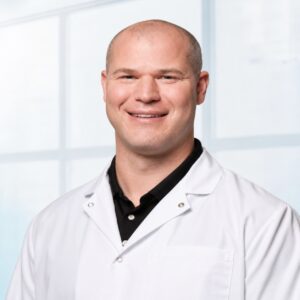
Building on this medical foundation, Dr. Jacob Dent will present practical, real-world techniques for treating patients with Parkinson’s disease, autism spectrum disorder, sensory processing challenges, intellectual and developmental disabilities, and dental anxiety. Through engaging case examples and immediately applicable clinical strategies, attendees will learn how to better understand patient behaviors, reduce barriers to care, and create positive treatment experiences for patients with special healthcare needs.
Together, these presentations provide a unique opportunity to bridge medical knowledge with clinical application, giving the entire dental team greater confidence in treating patients with neurological, sensory, and anxiety-related challenges.
Course Objectives
Upon completion of this course, participants will be able to:
- Describe the pathophysiology and progression of Parkinson’s disease.
- Recognize the movement and non-movement manifestations of Parkinson’s disease and their impact on oral health.
- Identify common oral and dental complications associated with Parkinson’s disease and implement appropriate management strategies.
- Define a variety of special healthcare needs and recognize their common characteristics.
- Understand the behaviors, communication styles, and dental considerations associated with developmental disabilities, sensory disorders, and anxiety-related conditions.
- Select appropriate treatment approaches based on each patient’s individual abilities, medical condition, and level of support needs.
- Apply practical techniques to improve patient cooperation, reduce anxiety, and enhance the delivery of compassionate, patient-centered dental care.
- Increase confidence in treating patients with neurological, sensory,
 and special healthcare needs in the general dental practice.Purchase Your Tickets Here!